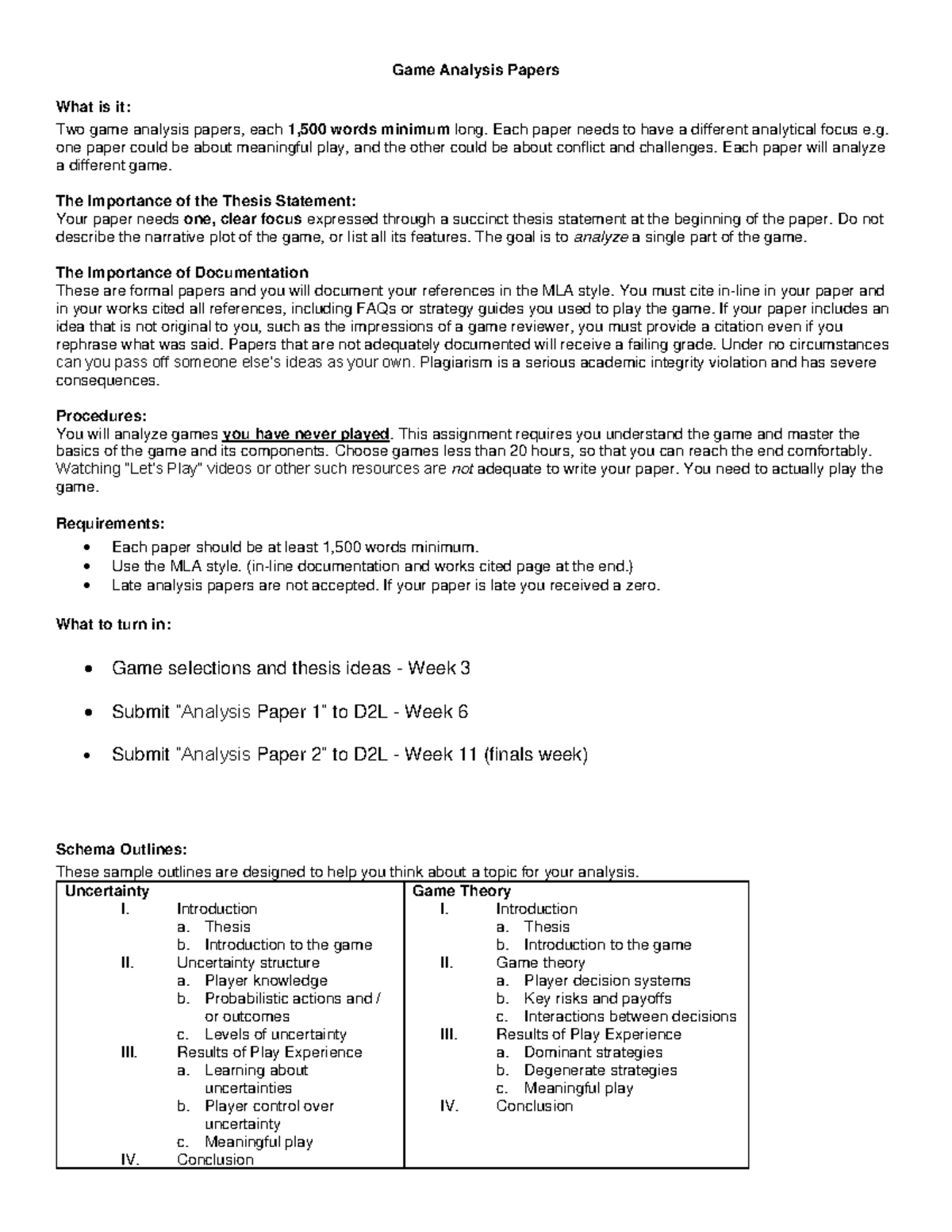
Game Analysis Paper Description Game Analysis Papers What is it Two game analysis papers
Amount of stanzas: 1. Average number of symbols per stanza: 653. Average number of words per stanza: 136. Amount of lines: 17. Average number of symbols per line: 37 (medium-length strings) Average number of words per line: 8. Mood of the speaker: The speaker asks many questions. Perhaps, he or she is in confusion.
Who's For the Game? 3 Lessons Teaching Resources

Resource type: Lesson (complete) File previews. pptx, 1.06 MB. This detailed 15 slide PowerPoint has been developed to assist teachers in delivering a detailed analysis of Pope's "Who's for the Game?" to Literature students. This poem features in the CCEA GCSE Conflict Poetry Anthology. There are detailed questions that prompt critical.
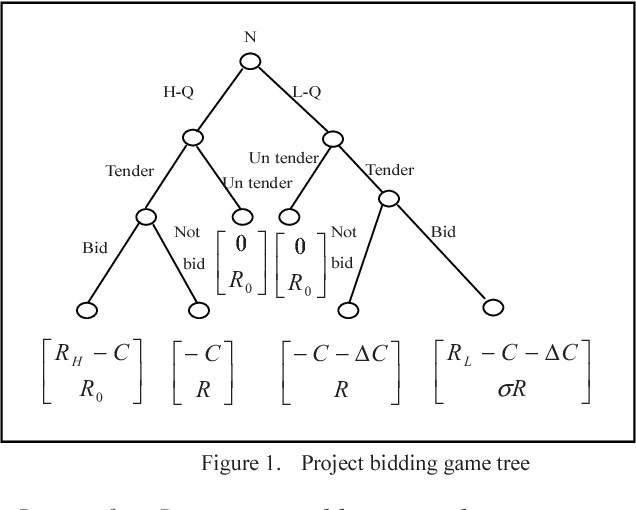
Figure 1 from Game analysis based on game theory perspective between owner, supervisor and
This video explains what 'Who's For the Game' by Jessie Pope is about.General discussion of the key ideas and techniques used.
Papers please game analysis auctionmokasin

It encourages men to want to be part of the 'game'. Jeff638 - This poem shows the good side of the war and encourages you to want to be involved and fight for your country. but it doesn't show the bad side of war which devastates everyone not only the soldiers but there family's . Nathanialc - This poem glorifies war in a way where rather.
Reflect the Fourth Game!【Game Analysis】 YouTube

Analysis. War is a highly debatable topic that has influenced many poets. An issue that is important in Jessie Pope's 1914 poem Who's for the game? This essay will explore a range of literary devices used within the poem to help analyse the explicit and implicit meanings. Furthermore, it will use appropriate literacy terminology to back up.
😎 Whos for the game analysis. Who's for the Game?. 20190116
Who's for the Game by Jessie Pope - Summary Analysis - Who's for the Game by Jessie Pope1868 -1941Who's for the game, the biggest that's played,The red crash.
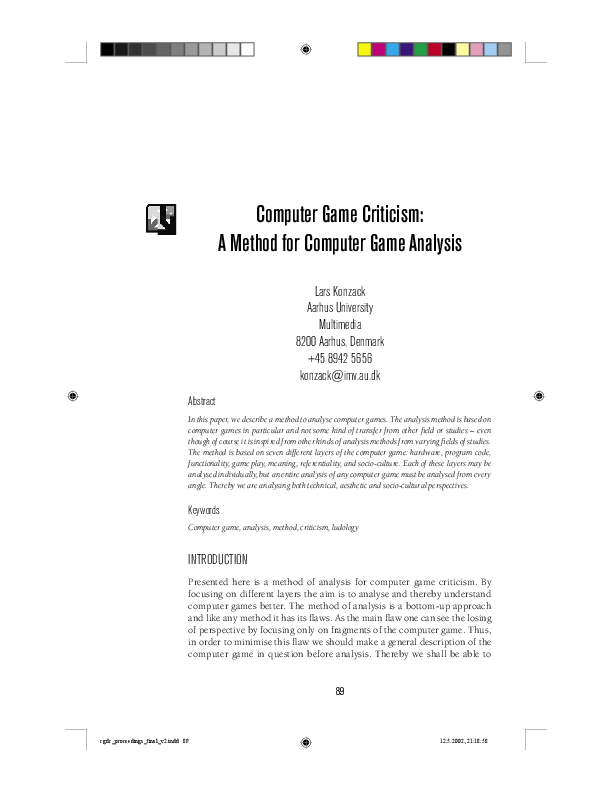
(PDF) Computer Game Criticism A Method for Computer Game Analysis Lars Konzack Academia.edu
Views. 4937. War, a subject that has inspired countless poets, takes center stage in Jessie Pope's 1914 poem, "Who's for the Game?" This essay delves into the various literary devices employed within the poem to dissect both explicit and implicit meanings. Furthermore, it utilizes appropriate literary terminology to support quotes from the poem.
The Perfect Game Poem Analysis
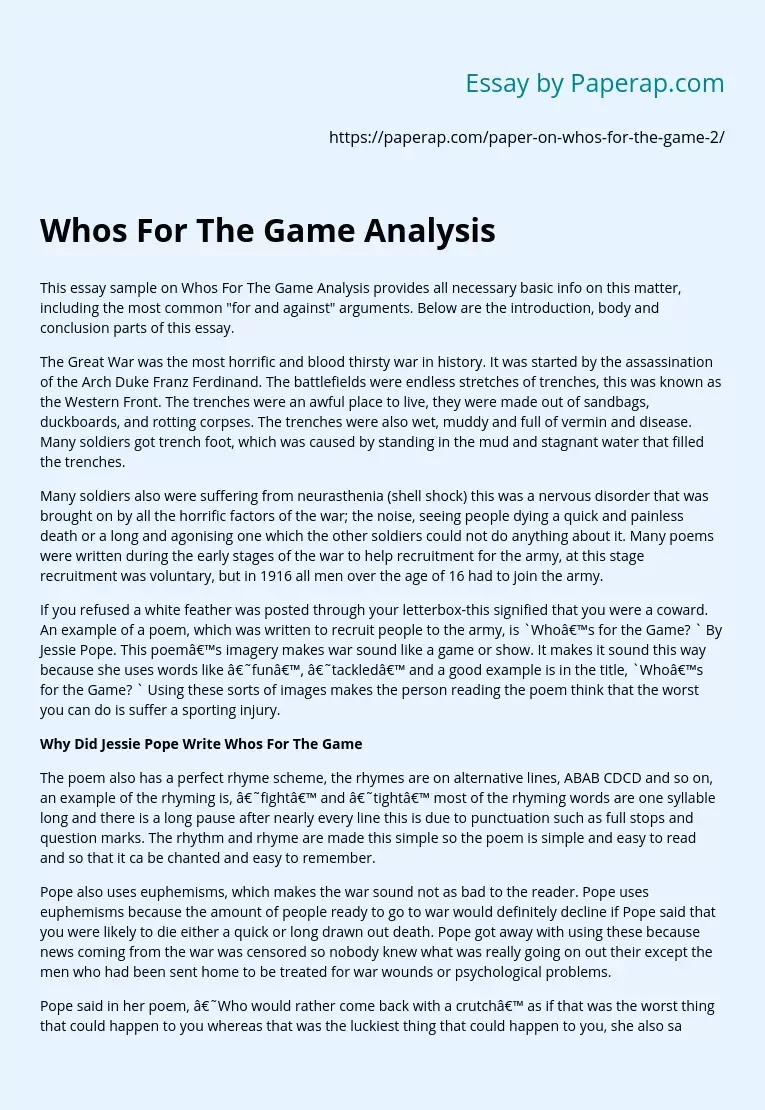
Jessie Pope "Who's for the Game" Analysis - Free download as Word Doc (.doc / .docx), PDF File (.pdf), Text File (.txt) or read online for free. The poem uses propaganda techniques like rhetorical questions, extended metaphors, and colloquial language to portray war as a fun game in order to persuade men to join the war effort. It compares war to the "biggest game" and encourages readers to.
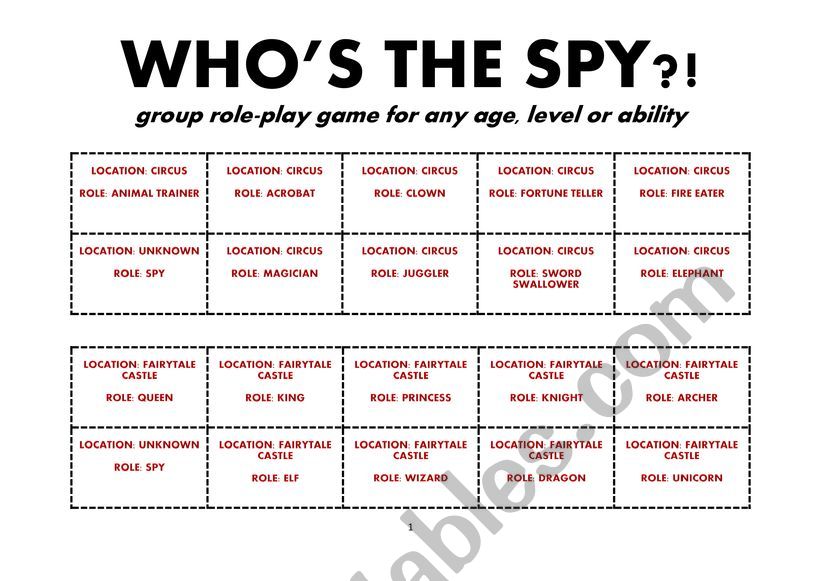
Who´s the Spy? ESL worksheet by Ailsa.
Analysis. "Who's For The Game" is a informal poem complete with Jessie Pope's symbolization of war captures her opinion, that War is a great place to be, it's fun and joyful. The poem at the begging was in comparison to as a sports game. Jessie Pope's poem consists of contrasting words, to make them all jell under the one category.
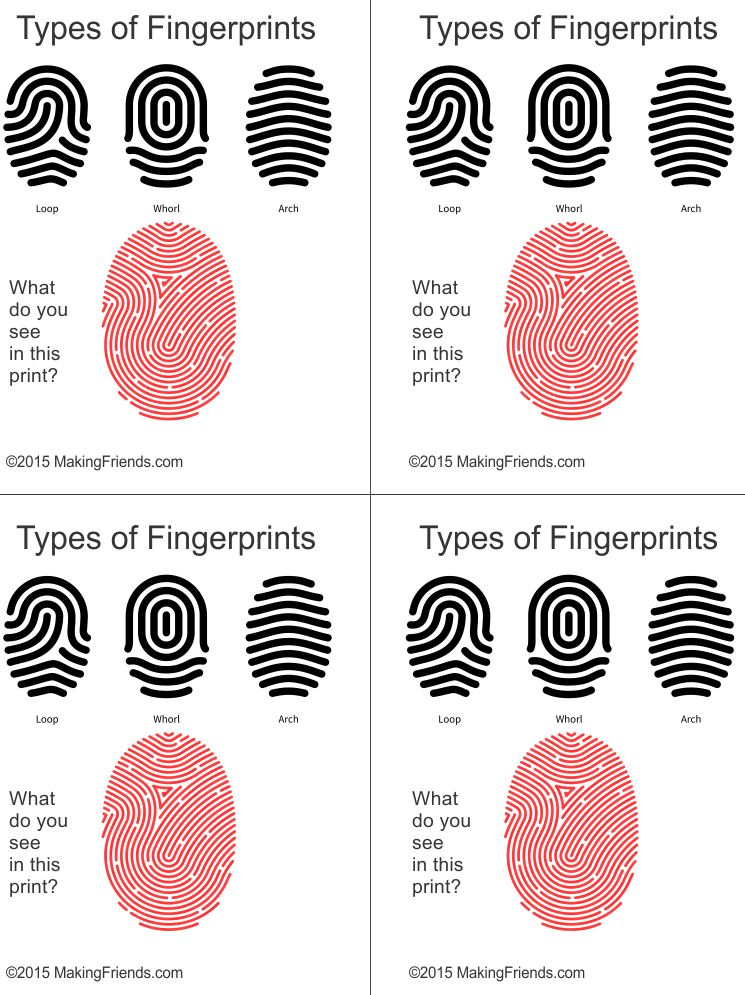
Printable Fingerprint Activity Worksheet Printable World Holiday
Learn More. "Who's for the Game" was written by the British poet Jessie Pope (1868-1941). Though it falls into the general category of First World War poetry, the poem doesn't deal directly with the experience of war. Instead, it is more of a call-to-arms, a targeted address to young men with the aim of getting them to enlist in the British Army.
😍 Whos for the game analysis. Who's For The Game? by Zenab Farag on Prezi. 20190106
It was an honour to fight in war for your country. After the war, Jessie Pope received a lot of discrimination because she 'false' advertised war. She was getting criticized by anti-war poets like Wilfred Owen. He wrote 'Dulce et Decorum' as an attack to Pope's poem 'Who's for the game'. Wilfred Owen thought Jessie's opinion.
(PDF) Evolutionary Game Analysis of Resilient Community Construction Driven by Government

Who's for the game, the biggest that's played, The opening question is designed to persuade readers to join in. The abbreviation of 'who is' to 'who's' makes this conversational, causal and friendly. The superlative adjective 'biggest' emphasises the positive image that Pope puts forward, that this 'game' includes everyone.
Results of The Entertainment Video Game Analysis Download Scientific Diagram

Nowadays this poetry is considered to be xenophobic , consisting of simple rhythms an rhymes with extensive rhetorical questions to persuade and pressure young men into the war. The poem starts off saying '' Who's for the game, the biggest that's played'' proposing that war is just a game , though Pope does not realize/anticipate.
Games Analysis and Design YouTube

17. And she's looking and calling for you. 'Who's for the game' is a very know poem written by Jessie Pope. The poem is saying that war can be very fun and it's seen as just a game and any man can experience the fun if they are brave and not afraid of it. After reading up to at least the 4th line you can see the Pope is making war sound like a.
😎 Whos for the game analysis. Who's for the Game?. 20190116
/cdn.vox-cdn.com/uploads/chorus_image/image/59155913/933056738.jpg.0.jpg)
Jessie Pope, was a keen supporter of the First World War and extremely patriotic. The poem is written as a propaganda tool to rally young men into enlisting in the army. It portrays the war as a.
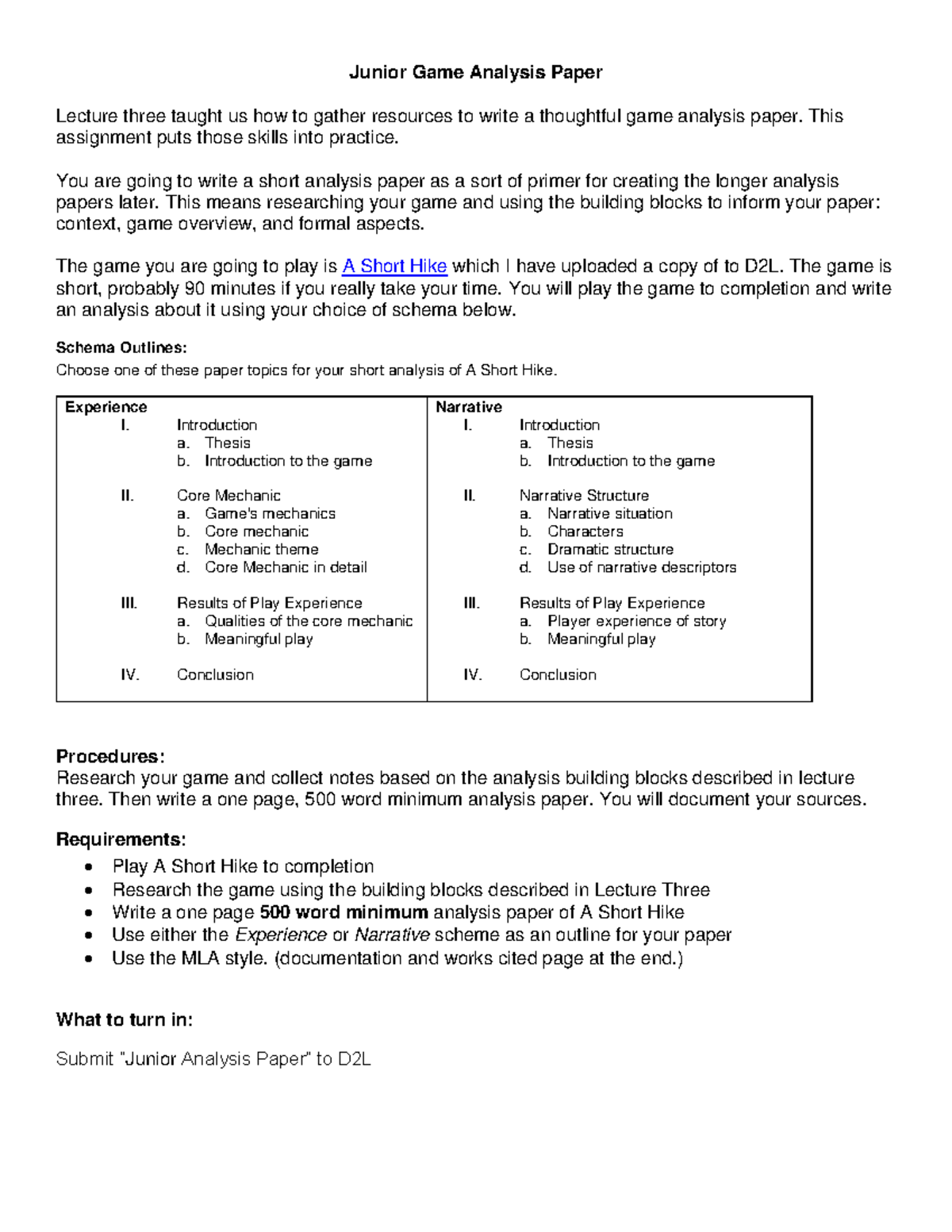
Homework Junior Game Analysis Junior Game Analysis Paper Lecture three taught us how to
This video walks through the poem Who's for the Game and asks you to respond to each line - identifying the metaphor and explaining what type of emotion it m.
.